We help people understand themselves and each other
Founded in 2023, Domain exists to make psychological insight accessible.
We started with a simple observation: most people want to grow, to connect better, to respond more skillfully to stress and conflict. But access to practical tools and guidance remains limited to those who can afford expensive therapy or lengthy academic programs. Our platform bridges that gap by offering structured, practice-based workshops that teach applicable skills through experimentation and reflection.
Every workshop we offer centers on a specific psychological principle or technique. Participants engage with interactive exercises, step-by-step assignments, and collaborative activities designed to build competence in areas like emotional regulation, communication, cognitive reframing, and interpersonal dynamics. We focus on action, not theory alone, because insight without practice rarely leads to lasting change.
Our team includes 4 facilitators with backgrounds spanning clinical practice, research, and education. We design content based on evidence-backed methods while keeping the experience engaging and approachable. Over the past 18 months, more than 160 participants have completed our workshops, with an average satisfaction rating of 4.6 out of 5.

Why we built this
Three years ago, facilitator Elara Dunmore was running small in-person workshops from a community space in Bradford. Demand exceeded capacity within weeks. Participants kept asking for online options, flexible schedules, and ways to revisit material after sessions ended.
We realized the format itself was holding us back. The virtual environment offered something physical space couldn't: the ability to build asynchronous modules, provide individual pacing, and integrate multimedia tools that deepen understanding. In early 2023, we launched the first iteration of this platform with 2 workshop tracks and 22 enrollments.
What makes our approach different
We don't lecture. Each workshop is structured around tasks you complete at your own pace, with feedback loops and peer interaction built into the design.
For example, a workshop on cognitive distortions might include 7 exercises where you identify patterns in your own thinking, test alternative interpretations, and share observations with other participants through moderated forums.

How participants actually use the platform
Most people spend 45 to 90 minutes per week on workshop activities. Some complete modules in concentrated bursts over a weekend. Others spread the work across several weeks, fitting exercises into morning routines or evening downtime.
The collaborative tools allow participants to exchange reflections, ask clarifying questions, and offer support without the pressure of real-time interaction. This structure works particularly well for people who need time to process information before responding or who prefer written communication over spontaneous discussion.
We track completion rates closely. Across all workshops, 78% of participants finish the full program, with average engagement time totaling 11 hours per workshop.

What participants learn
Our workshops cover areas like identifying emotional triggers, improving conflict resolution, building resilience habits, and understanding attachment patterns. Each topic includes 6 to 10 assignments, ranging from self-assessment questionnaires to scenario-based challenges.

The role of facilitators
Every workshop is guided by a facilitator who monitors progress, responds to questions, and provides personalized feedback on assignments. This isn't automated content delivery. When a participant submits a reflection or completes an exercise, a real person reviews it and offers specific, constructive input.
Facilitators also host optional live sessions twice per workshop cycle. These 60-minute video calls allow participants to discuss concepts in real time, clarify confusing material, and practice skills in a supported environment. Attendance is voluntary but participation rates average 64%.

Measuring what works
We collect feedback after every workshop using detailed surveys that ask about skill application, content clarity, and overall value. We also track behavioral markers like assignment completion rates, forum participation, and time spent on specific modules.

Who this is for
Our participants range from early-career professionals navigating workplace stress to parents working on communication patterns to individuals seeking structured support during transitions. Ages span from 23 to 58, with most participants in their 30s and 40s.

What comes next
We're expanding our library to include 8 new workshop tracks by mid-2025, covering topics like boundaries, decision-making under uncertainty, and interpersonal trust. We're also building out tools for small group cohorts, allowing participants to work through material together with peer accountability built into the structure.
What guides our work
Evidence-backed content
Every exercise and assignment is grounded in research from clinical psychology, cognitive science, and behavioral studies. We cite sources and explain the reasoning behind each method.
Practical over theoretical
We prioritize skills you can apply immediately. Concepts are introduced only when they directly support a specific technique or practice.
Collaborative learning
Participants gain insight not just from facilitators but from each other. The forums and peer feedback systems are designed to encourage thoughtful exchange without judgment.
Transparency about limitations
We're clear about what our workshops can and cannot do. They're not substitutes for therapy, crisis intervention, or medical treatment. They're tools for skill-building in non-acute contexts.
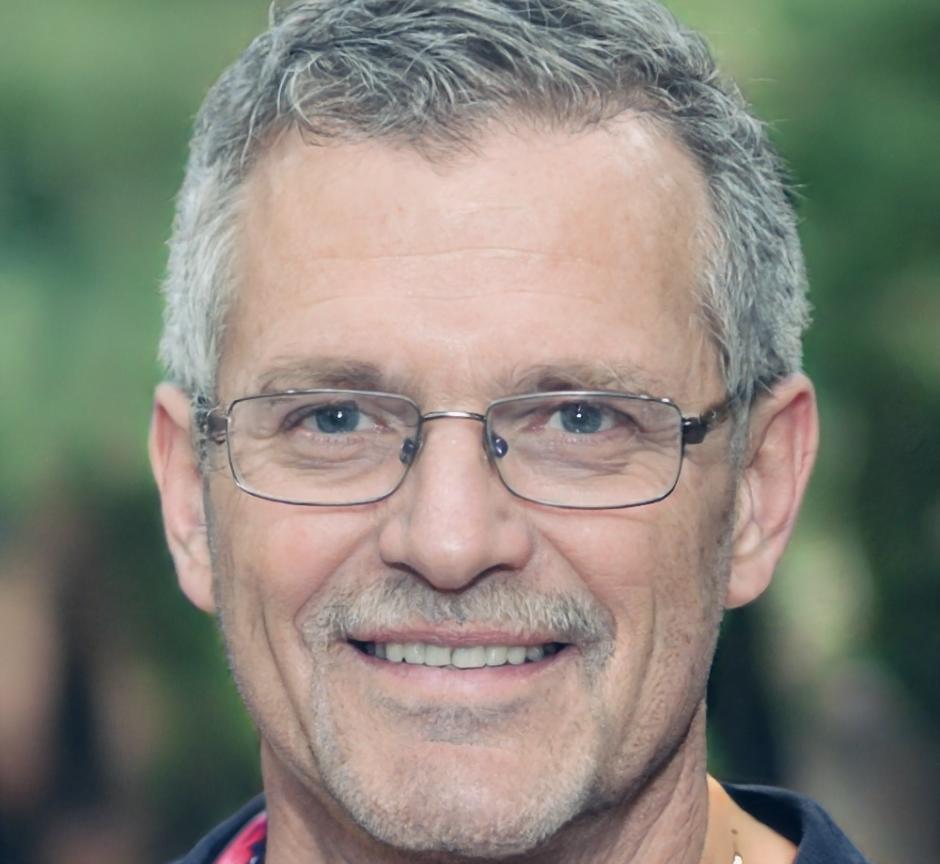
Callum Brandt
Lead Facilitator
Callum holds a master's degree in clinical psychology and has spent 9 years working in community mental health settings. He specializes in cognitive-behavioral approaches and designs most of the workshop content focused on thought patterns and emotional regulation.
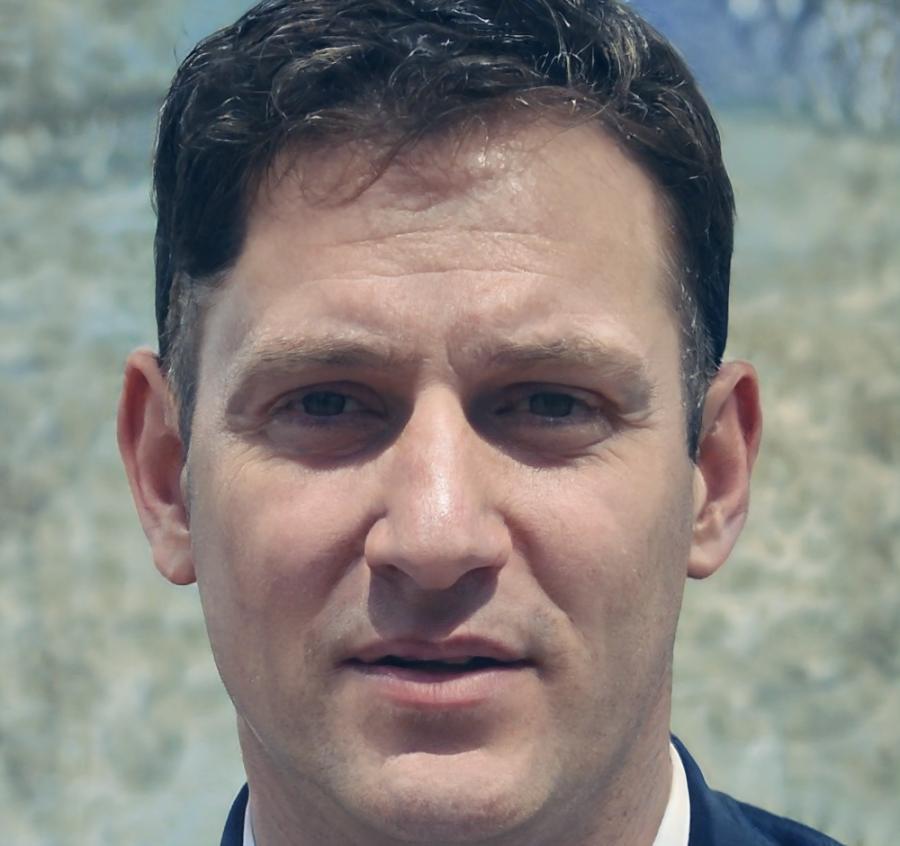
Reuben Ashworth
Content Designer
Reuben brings 7 years of experience in instructional design and educational technology. He builds the interactive exercises, manages the technical platform, and ensures that assignments translate complex concepts into clear, actionable steps.
How we measure progress over time
Key metrics we track
Launch year 2023
Started with 22 participants across 2 workshop tracks. Average satisfaction rating: 4.3 out of 5.
Completion rate milestone
78% of participants complete full workshop programs, compared to industry average of 52% for online learning.
Participant growth
160+ total participants over 18 months. Current average: 14 active participants per workshop cycle.
Have questions or want to connect?
We respond to inquiries within 24 hours on weekdays. If you're interested in a specific workshop or need clarification about how the platform works, let us know below.